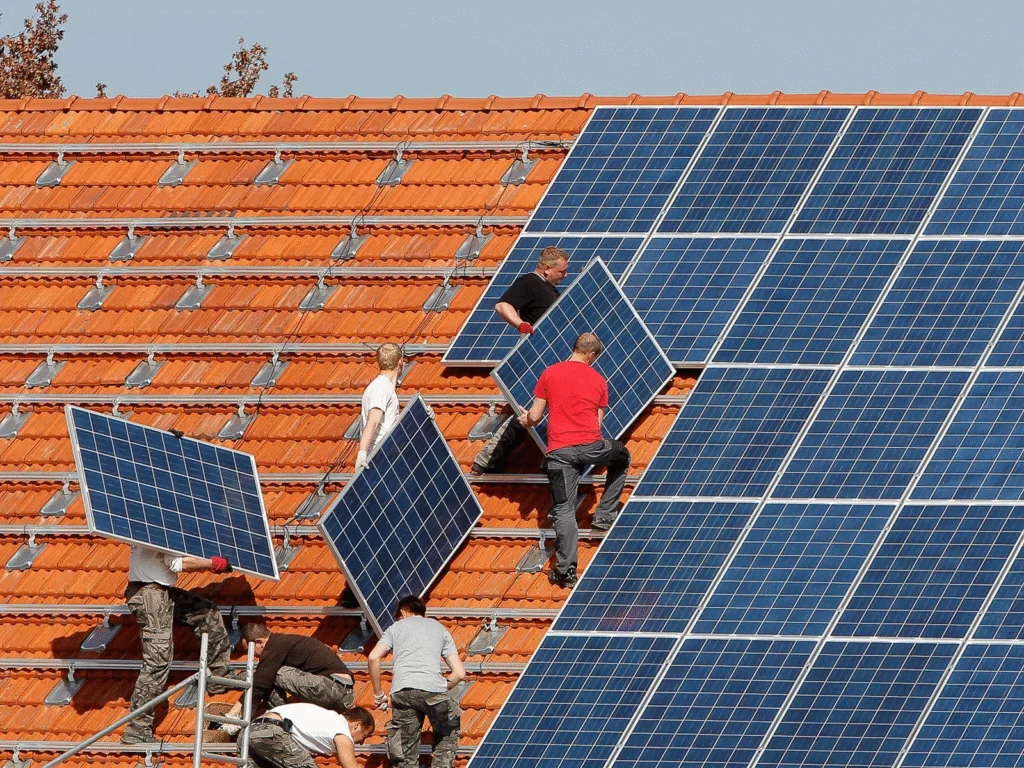
Currently in fast solar expansion, the United Arab Emirates dominates the area. Driven by massive solar, experts anticipate that by 2033, the nation would have produced approximately 11 TWh of solar electricity, rising to 73.5 TWh. Homes and farms are using solar panels on roofs; Dubai and Abu Dhabi have initiatives supporting installation; costs dropped; and government incentives promote adoption. So, you should start with a strategy for Solar Panel Installation and Maintenance.
Planning a Successful Solar Panel Installation and Maintenance: 9 Crucial Steps
Step 1: Set goals and check your site
Determine what you want from solar energy. Do you want to lower your bill, have backup electricity, sell excess energy, or increase your home’s value? Walk write down: the age, material, color, and degree of sun strikes during peak hours of the roof and notice roof.
- Roof age and material
- Direction the roof faces and possible tilt angles
- Trees, chimneys, or buildings that make shade
- Local grid rules and net metering options
Proper planning enables you to choose the appropriate system size and prevents unexpected occurrences during solar panel installation and care.
Step 2: Pick the right system and parts
Choose between grid-tied, hybrid, or off-grid based on your goals. Buy panels and an inverter that stand up to heat. Buy batteries only if you want backup or more self-use.
Quick comparison table — rooftop choices
| System type | Best for | Pros | Cons |
|---|---|---|---|
| Grid-tied | Lower bills | Lower cost; simple install | No backup during outages |
| Hybrid with battery | Bills plus backup | Backup power; more self-use | Higher upfront cost |
| Off-grid | Remote sites | Full independence | Costly; harder to size |
Pick gear that resists heat and coastal salt and carries solid warranties.
Step 3: Permits, incentives and rules in the UAE
Each emirate sets rules for rooftop systems. You must follow municipality and utility steps for interconnection, safety, and rooftop works. Check local incentive programs and net-metering rules from your utility. Add permit time to your project plan so you avoid delays.
Step 4: How to choose an installer
Use these points when you compare installers:
- Local UAE experience and proper licenses
- Honest warranties for panels, inverter, and workmanship
- Photos and references from similar projects
- Itemized quote that shows parts and labour
Ask installers for an energy yield estimate, expected performance ratio, and who will handle maintenance after handover.
Step 5: Design for energy and long life
Place panels so they get the most sun and make maintenance easy. Set tilt and spacing so air flows under panels. Use racks and anchors that meet wind and heat ratings. Leave working space around the array and room to add batteries later.
Step 6: What happens on installation day
The installation crew mounts rails, fixes modules, routes cables, and hooks up the inverter. You must check these items:
- Team follows UAE electrical standards
- Proper earthing and lightning protection exist
- Panels face the planned direction and tilt
- Wiring and inverter settings match the design
Technicians run tests and hand you commissioning papers and warranties. Keep those documents with your home files.
Step 7: Make a maintenance schedule
Regular tasks will keep your system in good shape.
- Monthly: look for dust, bird nests, broken clamps, and loose bolts
- Quarterly: wash panels if dust or salt lowers production; inspect junction boxes
- Annually: run a full performance test, check inverter, and tighten electrical connections
- After storms: inspect mounts, panels, and roof for any damage
Tell family where to find the emergency shutoff and label switches for technicians.
Step 8: How to spot and fix common problems
Learn to spot common faults so you can act fast and call your installer when needed:
- Low output: check shade, soiling, and inverter alerts
- Inverter error: note the error code and restart power; call service if it repeats
- Corrosion or loose wiring: fix quickly to prevent hazards
- Roof leaks: inspect flashings around mounts and reseal where needed
Log every fault, the fix, and the date you restored the system to keep warranty records useful.
Step 9: Watch performance and make it better
Use a monitoring tool to track generation and compare it with the designer’s estimate. Watch for slow drops that show dirt, inverter issues, or panel aging. Small changes like moving cleaning days to dustier months or updating inverter firmware increase yearly output.
Key metrics to watch
- Daily and monthly energy in kWh
- Performance ratio and capacity factor
- Self-consumption rate if you have storage
- Yearly degradation rate
A simple spreadsheet or a solar app gives you the trend data to act fast.
Get a Customized Solar Plan with Site Assessment Today
If you want a plan made for your roof, budget, and energy goals, get a site assessment now and get a timeline for Solar Panel Installation and Maintenance. At Pak Link AE, we will help you pick heat-tough panels, build an upkeep plan, and explain warranty terms so your system keeps producing for many years.
FAQs
How much does a rooftop solar system cost in the UAE and how do I work out payback ?
Costs vary by system size and parts. To work out payback:
- Add your yearly electricity bill
- Get a yield estimate in kWh per year for the chosen system
- Multiply kWh by your local tariff to find annual savings
- Subtract any rebates or incentives you get
- Add yearly maintenance and future replacement costs
This method gives you a simple payback number to compare with alternatives.
How often should I wash solar panels in the UAE ?
Wash more when dust or salt builds up. Use this plan:
- Inspect monthly during dusty months
- Wash quarterly in heavy dust or coastal zones
- Rinse after sandstorms or nearby construction
- Use soft brushes or low-pressure water to avoid damage
- Dry panels naturally or use squeegee if needed
Will rooftop solar change my home insurance or property value ?
Rooftop systems often raise property value and insurers may adjust premiums. To manage this:
- Tell your insurer about the installation and give system specs
- Keep installation certificates and maintenance logs
- Provide warranty documents and safety compliance papers
- Ask insurers about renewable system coverage options
- Keep electrical works and mounting records for resale
Good paperwork and licensed installation ease insurance claims and resale.